Rin
The rin is the lowest unit of the Japanese currency in the decimal yen system – representing 1/1000 of the Japanese yen (10 rin = 1 sen). In circulation it is encountered chiefly on small coins from the era of Japan's modernisation; today the rin is only a historical concept.
The rin appeared in connection with the monetary reforms following the restoration of imperial power in the 19th century. Japan was at that time striving to unify and simplify its monetary system, which had previously been based on a complex mixture of gold, silver and copper means of payment in various denominations. As part of modernisation, a decimal system was introduced, in which the basic unit became the yen, divided into sen and rin. This step corresponded to the effort to approach the standards used in industrially advanced countries and at the same time to create a stable framework for taxes, wages and trade.
The practical need for the lowest unit was related to the prices of everyday goods and to small payments. In the second half of the 19th century, even tiny amounts were important – both for markets and crafts and for state finances and the collection of fees. The rin was therefore understood as the "last" part of the decimal system, which made it possible to make precise accounts in a time when the economy was just being transformed and when the price level was moving significantly lower than in the 20th century.
The best-known material form of the rin is the small copper (bronze) 1 rin coin, struck during the reign of Emperor Meiji. These coins were struck for circulation between 1873 and 1884. Their striking shows how quickly the significance of the smallest denomination may change: with the growth of wages, prices and the overall development of the economy, the rin began to have less and less practical weight in everyday payment. Already at the turn of the 19th and 20th centuries it was in many situations so trifling that it was retained in everyday circulation only marginally.
History
In the 20th century the role of the smallest denominations was further weakened. Inflation, changes in price levels and changes in trade practice led to the rounding of payments and to the smallest units no longer being needed. After the Second World War, the value of the rin was already purely theoretical, and the state gradually moved towards simplifying the structure of circulation. At the end of 1953 the rin (together with the sen) was withdrawn from circulation and legally abolished, whereby the yen effectively became the only unit used for cash payments. Even so, the term rin remains important in numismatics: it is firmly associated with the era of Japan's transition to a modern monetary system and with the small-denomination circulation of the Meiji period.
The 1 rin coin belongs among the smallest Japanese circulating strikes of its time. As standard it was produced from a bronze alloy (copper with a small proportion of other metals), had a diameter of approximately 15.75 mm and a weight of about 0.91 g. The small format corresponded to its slight purchasing power: it was a means of payment intended for small supplementary payments, for the balancing of prices and for accounting in situations where it was necessary to work precisely with the decimal division of the yen.
A typical motif on the obverse is Japanese imperial symbolism, particularly the chrysanthemum, which in modern Japan represents the emblem of the ruling house and of state authority. The reverse usually bears an indication of the value and denomination. From a numismatic point of view, these coins are interesting also for the way they reflect the contemporary efforts towards a "modern" style: the combination of domestic symbolism with a clear designation of value was intended to contribute to confidence in the newly introduced system.
The form of the 1 rin coin and practical use
In practice, however, the 1 rin quickly ran up against the limits of usability. As soon as the price level shifted, working with rin became impractical: the coin was very small, easily lost, and in many ordinary transactions its use no longer made sense. This is the typical fate of the lowest denominations in monetary systems – their existence is useful when introducing decimal division and in periods of low prices, but with economic growth and inflation they become rather an accounting relic. Today the rin is primarily a historical concept, and the 1 rin coin is a sought-after document of early modern Japanese currency.
In our auction and shop
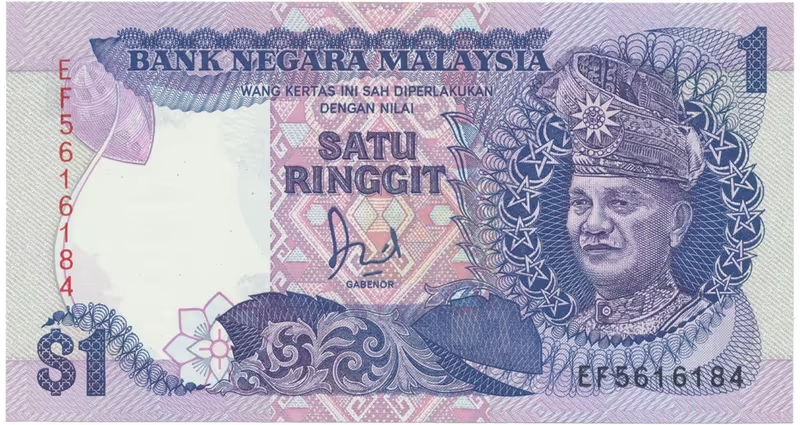
- Code: BMALA027
Malajsie, 1 Ringgit (1986~1989), P.27
Malajsie / Malaya 1 Ringgit (1986~1989), P.27 N/UNC
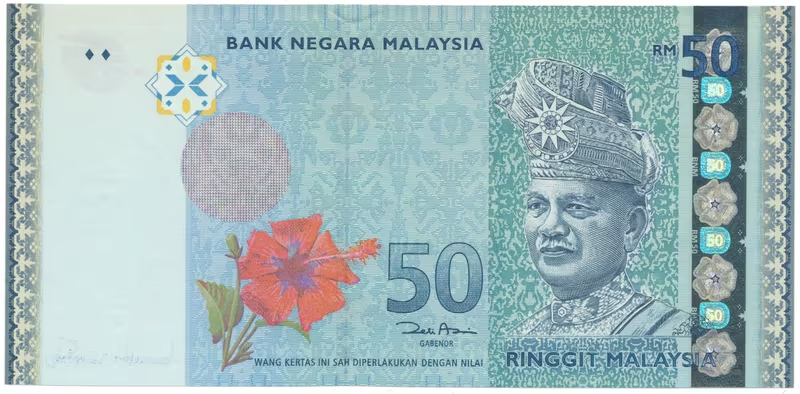
Skladem 1 ks - Code: BMALA049
Malajsie, 50 Ringgit 2007, pamětní vydání, P.49
Malajsie / Malaya 50 Ringgit 2007, pamětní vydání, P.49 N/UNC
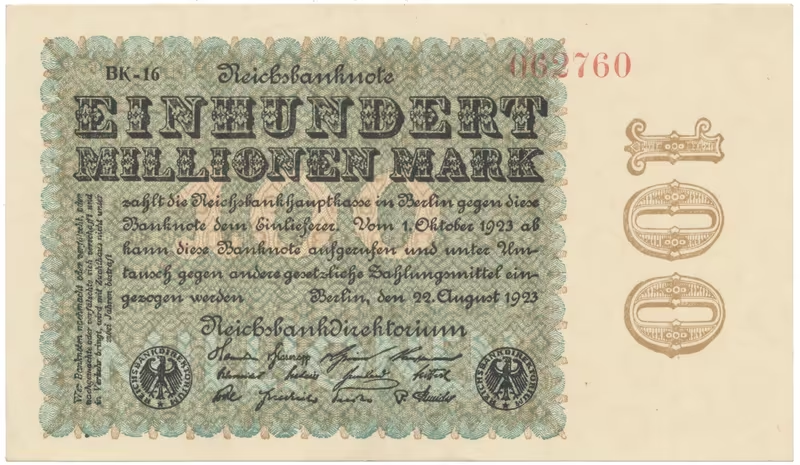
Skladem 1 ks - Code: BNEME106Q
Německo, 100 Millionen Mark 1923, Ringe, Ro.106q
Německo / Germany Německo, 100 Millionen Mark 1923, vodoznak Ringe, číslovač 6 místný červený až hnědý, Ro.106q zachovalost N/UNC
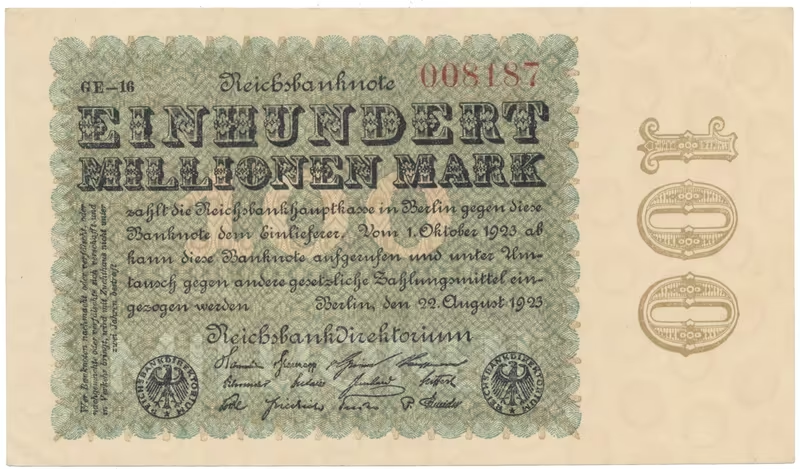
Skladem 5 ks - Code: BNEME106Q.0
Německo, 100 Millionen Mark 1923, Ringe, Ro.106q
Německo / Germany Německo, 100 Millionen Mark 1923, vodoznak Ringe, číslovač 6 místný červený až hnědý, Ro.106q zachovalost 0/AU
Skladem 4 ks