8 Gulden
The 8 gulden (eight-gulden piece, often also designated twenty-franc) is an Austrian gold trade coin introduced in the 19th century for larger payments and the storing of value. It belongs among coins which were to be easily acceptable also in international trade thanks to clearly given parameters and a stable gold content.
The 8 gulden arose at a time when European states were seeking to simplify cross-border payments and to unify the conception of 'trade gold'. Austria introduced this denomination on the basis of the law of 9 March 1870. The eight-gulden piece was conceived as a coin reckoned with not only in the domestic environment but also in dealings with abroad – this is why the name twenty-franc also took hold for it, recalling its kinship with the contemporary European gold types.
In practice the eight-gulden piece was not used as 'pocket' circulating coinage. This was a gold coin of higher value, which was applied rather in larger payments, in trade, in settling accounts or as a form of reserve. With such coins emphasis was placed on trust: the state guaranteed the parameters, so that the coin would be easily verifiable and accepted without prolonged testing.
History
It is interesting that the 8 gulden was also struck after the introduction of the koruna currency in 1892. This shows that trade gold coins often live longer than a specific monetary system, because demand for the 'familiar' type of gold persists. With the eight-gulden piece it is said that its striking continues in the Vienna mint with this date as a restrike also in later times, so that the date on the coin need not automatically mean the actual year of striking of a particular piece.
The 8 gulden is described as a gold trade coin of a weight of 6.452 g. With gold denominations of this type, important is not only the year but also the context of the striking: alongside historical pieces, later restrikes which build on the traditional type may also occur on the market. For collectors this means that when determining it is appropriate to distinguish between a coin as a historical document of a particular period and a coin as a later striking of the same type.
Parameters, use and collector significance
From the point of view of state of preservation, gold is resistant to corrosion but sensitive to mechanical damage. Scratches, dents and careless cleaning are well visible on gold coins and may reduce collector value. With trade strikings it is at the same time common that pieces were stored in larger quantities, so that small 'contact' traces need not be the exception. With quality specimens what is particularly valued is a clean surface, sharp details of the relief and the absence of distinctive interventions.
In our auction and shop
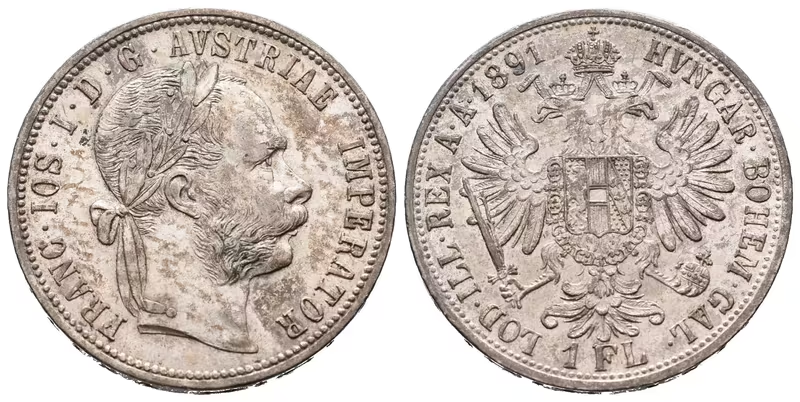
- Code: MA067-1891.8
Zlatník 1891
František Josef I. (1848 - 1916) Zlatník 1891, Ves. 67., krásná zachovalost, tmavá patina, lesk, rysky
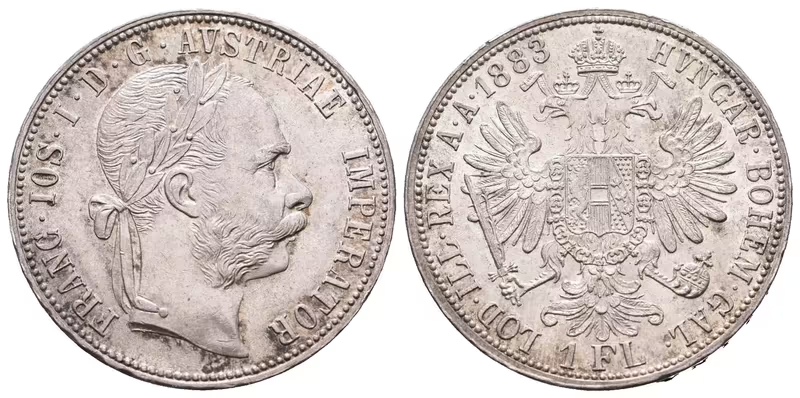
Skladem 1 ks - Code: MA067-1883.8
Zlatník 1883
František Josef I. (1848 - 1916) Zlatník 1883, Ves. 67, krásná zachovalost, kabinetní patina, lesk, drobné rysky
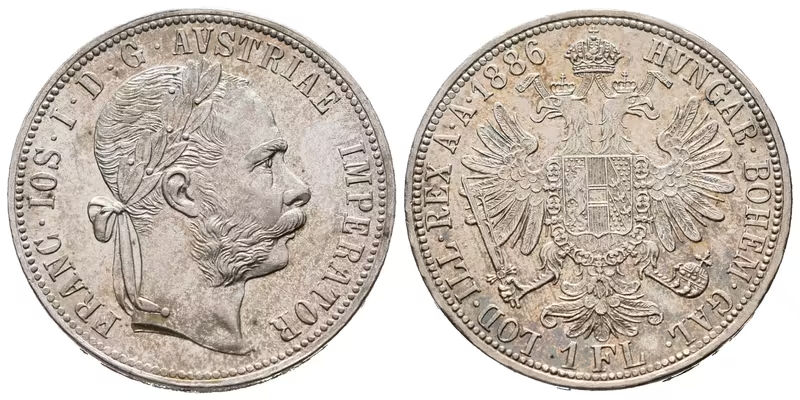
Skladem 1 ks - Code: MA067-1886.8
Zlatník 1886
František Josef I. (1848 - 1916) Zlatník 1886, Ves. 67, krásná zachovalost, ražební lesk, patina, nep. rysky
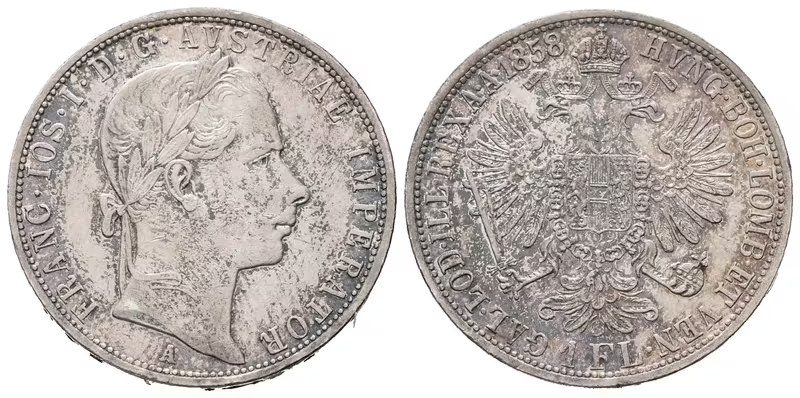
Skladem 1 ks - Code: MA064-1858A.8