
Slavic Pantheon
The ensemble of deities and supernatural beings worshipped by the early Slavs before the official adoption of Christianity. This religious system was marked by considerable regional variation, clear differences between Eastern and Western Slavs, and an absence of native literary records written from within the community.
The Slavic pantheon was not a unified, centrally codified system comparable to Greek or Roman mythology. The most coherent picture in eastern Europe is preserved in the Primary Chronicle (Tale of Bygone Years), which under the year 980 records Prince Vladimir's religious reform in Kiev: side by side stood wooden idols of Perun (god of thunder), Dazhbog (the sun), Stribog (winds), Simargl, Khors and Mokosh. Standing in opposition to Perun was Veles, god of the underworld and cattle.
Sources and the Kievan pantheon
The territory of the Polabian and Baltic Slavs (present-day north-eastern Germany) formed the last stronghold of organised paganism in central Europe, with powerful temple complexes such as Rethra among the Redarii (presided over by Svarožic, renamed Radegast by later chroniclers) and Arkona on Rügen dedicated to Svetovid. As confrontation with the Holy Roman Empire intensified, these deities acquired pronounced martial traits.
Polabian and Baltic Slavs
In the Czech lands the names of the old Slavic gods are not directly recorded by contemporary chroniclers. The Chronicle of Cosmas from the early 12th century describes only the veneration of natural elements and springs, while the Homiliary of Opatovice forbade offerings brought to trees and wells. Nineteenth-century National Revival authors retrospectively embellished and supplemented the pantheon. From a numismatic standpoint, the rapid replacement of pagan cults is documented by the earliest Bohemian deniers, which instead of pagan idols introduced Saint Wenceslas into the ideology of the realm as guarantor of state sovereignty.
The Czech lands and coinage
In our auction and shop
- Code: MS017
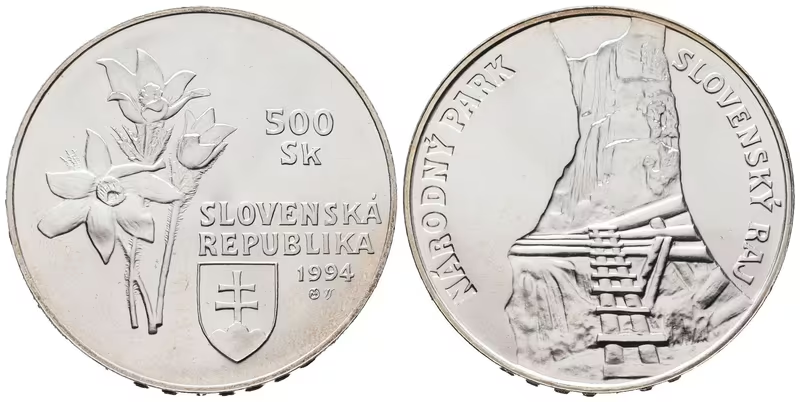
500 Sk 1994 - Slovenský ráj, běžná kvalita
Slovenská Republika (1993 - ) 500 Koruna 1994 - Ochrana přírody a krajiny - Národní park Slovenský ráj, autor Imrich Svitana, Aurea S 17, běžná kvalita Ag 0,925, 40 mm (33,63 g), raženo 15 700 ks (běžná kvalita), 2 400 ks (proof)
Skladem 2 ks - Code: MSKS2021-ZNICENE
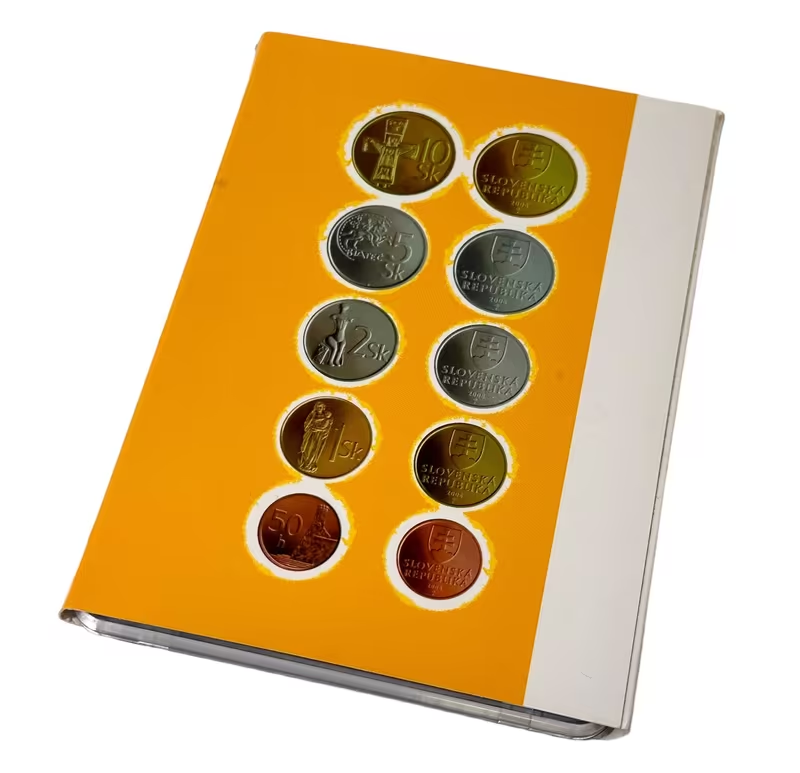
Ročníková sada mincí 1993 - 2007 - Zničené slovenské mince
Slovenská republika, 1993 - 2007 Oběhové mince Slovenska - "Zničené slovenské mince" Unikátní soubor šesti zničených slovenských oběhových mincí, které byly stažené z oběhu a zničené v Mincovně Kremnica. 50 hal 1996, 1 koruna 1995, 2 koruna 1993, 5…
Skladem 1 ks - Code: MSKS2009-EURA
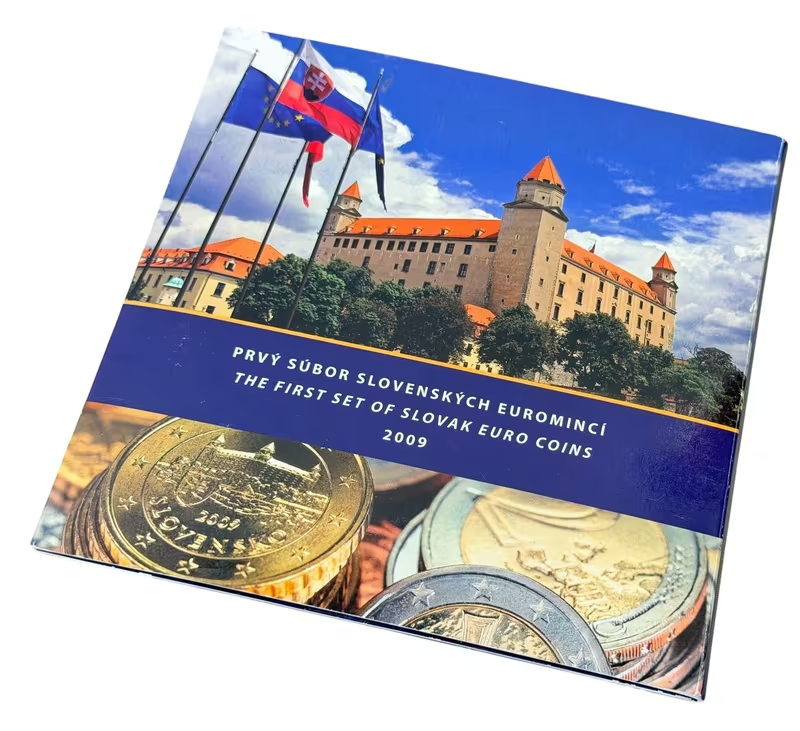
Ročníková sada mincí 2009 - SR - Eura
Slovenská republika, 2009 Ročníková sada mincí 2009 - První soubor slovenských euromincí, žeton Ag 0,925 (8g) ilustrační foto, komisní prodej - obaly mohou být opotřebené
Skladem 1 ks - Code: MSKS2009-EURA-PROOF
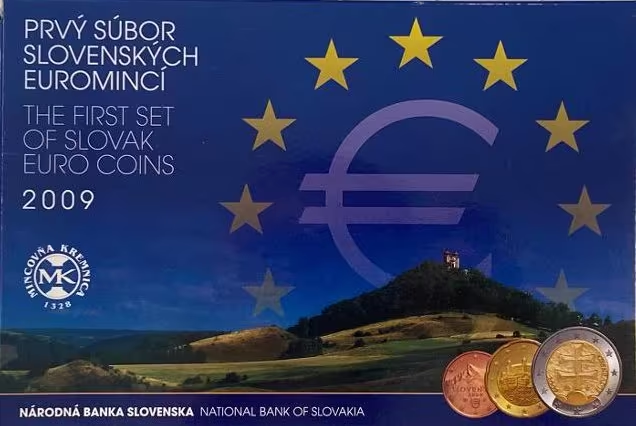
Ročníková sada mincí 2009 - SR - Eura Proof
Slovenská republika, 2009 Ročníková sada mincí 2009 - První soubor slovenských euromincí, Proof, koženkový přebal ilustrační foto, komisní prodej - obaly mohou být opotřebené
Skladem 1 ks
Further in the encyclopaedia
More entries in the category historie. Continue browsing or return to the full encyclopaedia.