Utrecht
Utrecht is a historic city in the Netherlands which arose already in Roman times as the fortress of Traiectum on the frontier of the Roman Empire. Today it ranks among the most important cities of the country, known for the canals in its centre, the university and the dominant Dom Tower, the highest church tower in the Netherlands.
Utrecht has an exceptionally long continuity of settlement. Its origins reach back to the 1st century AD, when the Romans established the fortress Traiectum at an important river crossing. This was part of the defensive line on the lower Rhine, intended to protect the frontier of the empire. It is precisely from the Latin name "crossing" that the later name of the city is derived, and its centre still coincides with the former core of the Roman fortifications.
After the retreat of Roman power, the place transformed into an early medieval centre that gradually acquired fundamental ecclesiastical importance. Utrecht became the seat of a bishopric and for centuries belonged to the most important spiritual and administrative hubs of the Low Countries. This role influenced the form of the city: around the cathedral precinct urban life, markets and crafts arose, and ecclesiastical institutions became the main "engine" of learning and administration.
History
The supreme symbol of medieval Utrecht is the Dom Tower (Domtoren), built in the 14th century. Originally it was part of the cathedral of St Martin, but after the collapse of the unfinished nave in 1674 the tower remained standing alone. At a height of 112.32 m, it is still the highest church tower in the Netherlands and at the same time the main icon of the city.
In the modern period, Utrecht benefited from its position in the centre of the country and from its function as a regional administrative and commercial centre. It gradually expanded and modernised, and in the 20th century became part of the most densely settled Dutch space. Yet its historic core has retained its characteristic atmosphere: the city canals with riverside warehouses and cellars, narrow streets and the concentration of monuments around the cathedral give Utrecht a markedly "urban" yet also intimate character.
The city, symbolism and numismatic connections
Utrecht is easily recognisable to the visitor by the system of canals and the design of the embankments, where historically transport and trade were concentrated. For urban memory, the cathedral hill (Domplein), which stands on the site of the former Roman Traiectum and functions as a natural "square of origin", is key.
For numismatics, Utrecht is important chiefly in the wider Dutch context, because the province of Utrecht ranked among the traditional centres of administration and trade. In the history of Dutch coinages we often encounter provincial symbolism and coins that refer to cities or provinces of the Netherlands; Utrecht as an important historical centre tends to be a natural point of interest in such an environment. In practice, the Utrecht trail can also be found in medals and commemorative items that commemorate civic events, construction and anniversaries — because it is precisely cities with long continuity that have a strong tradition of "memory in metal".
In our auction and shop
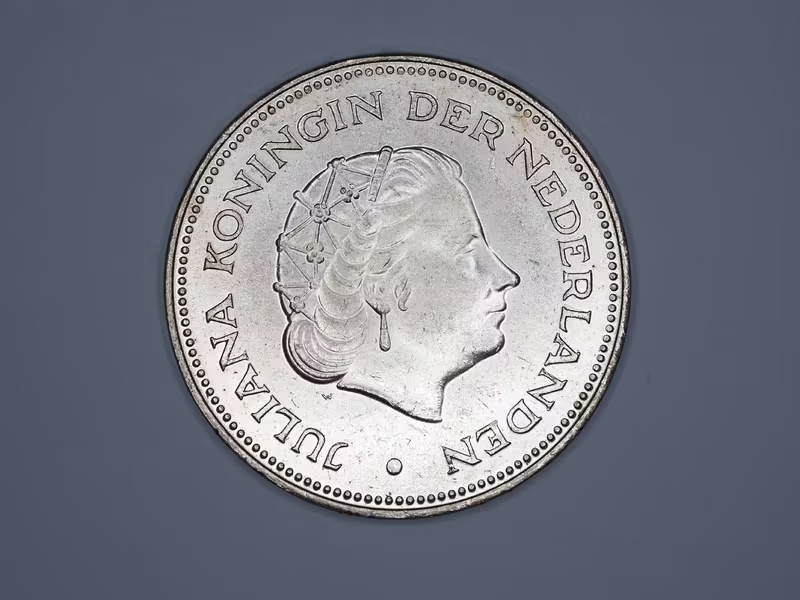
- Code: SNIZ95-E1970.5
Nizozemí, 10 Gulden 1970 - Osvobození
Nizozemsko, Juliana (1948-1980) 10 Gulden 1970 - Osvobození, KM# 195 Ag (.720), 38 mm (25 g). Mincovna: Královská holandská mincovna - Utrecht. Hrana s nápisem "★ GOD ★ ZIJ ★ MET ★ ONS". Stříbrná pamětní oběžná mince - k 25. výročí osvobození Nizozemska…
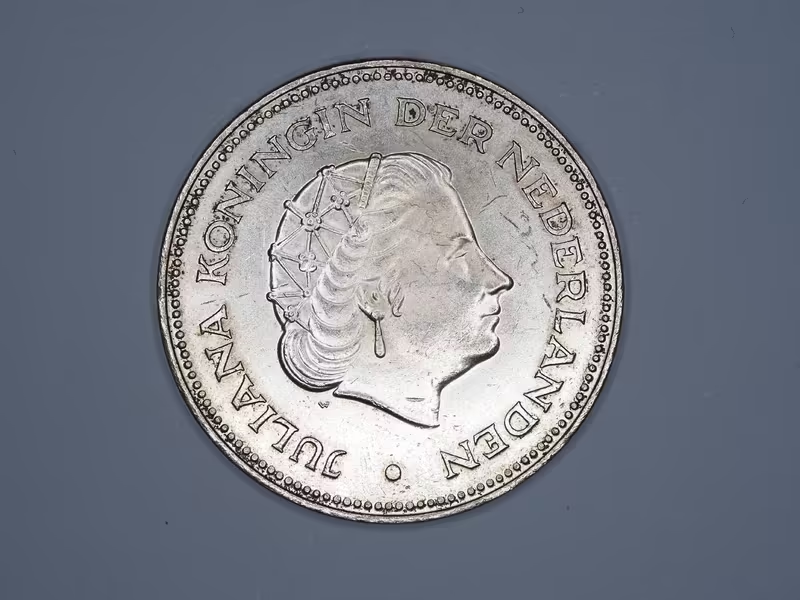
Skladem 1 ks - Code: SNIZ95-E1970.6
Nizozemí, 10 Gulden 1970 - Osvobození
Nizozemsko, Juliana (1948-1980) 10 Gulden 1970 - Osvobození, KM# 195 Ag (.720), 38 mm (25 g). Mincovna: Královská holandská mincovna - Utrecht. Hrana s nápisem "★ GOD ★ ZIJ ★ MET ★ ONS". Stříbrná pamětní oběžná mince - k 25. výročí osvobození Nizozemska…
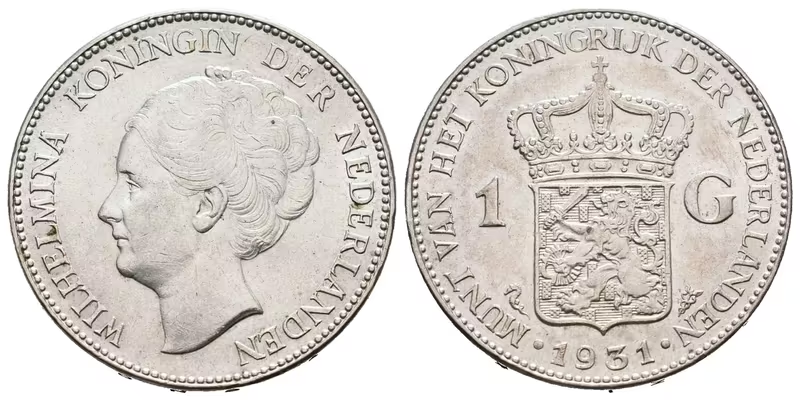
Skladem 1 ks - Code: SNIZ95-B1931
Nizozemí, 1 Gulden 1931 - Wilhelmina
Nizozemsko, Wilhelmina (1890-1948) 1 Gulden 1931, KM# 161.1 Ag (.720), 28 mm (10 g). Velmi pěkný stav, v kapsli. Mincovna: Královská holandská mincovna - Utrecht. Hrana s nápisem "★ GOD ★ ZIJ ★ MET ★ ONS". Stříbrná oběžná mince. Lit.: KM# 161.1.
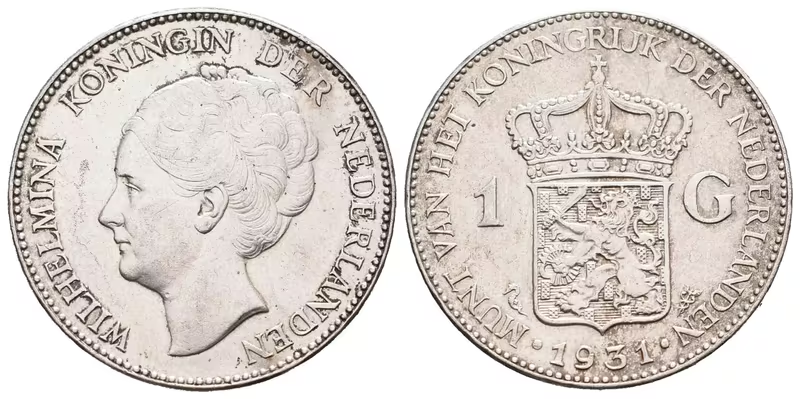
Skladem 1 ks - Code: SNIZ95-B1931.1
Nizozemí, 1 Gulden 1931 - Wilhelmina
Nizozemsko, Wilhelmina (1890-1948) 1 Gulden 1931, KM# 161.1 Ag (.720), 28 mm (10 g). Mincovna: Královská holandská mincovna - Utrecht. Hrana s nápisem "★ GOD ★ ZIJ ★ MET ★ ONS". Stříbrná oběžná mince. Lit.: KM# 161.1.
Skladem 1 ks