Palatine
The palatine is a high noble and court title originally designating the administrator of the ruler's palace, which in the Middle Ages developed into a hereditary dignity with extensive judicial and administrative powers, especially in the border regions of the empire. This prestigious office combined the function of royal viceroy with the right to judge i…
The name palatine comes from the Latin comes palatinus (count of the palace), derived from the Palatine, one of the seven Roman hills, where Emperor Augustus built his residence. In the late Roman Empire, comes palatinus designated the highest court official with authority to represent the emperor. The imperial personal guard quartered in barracks on the Palatine was called the Schola Palatina. The Byzantine Empire retained the title palatinos for the chief chamberlain and judges serving in the imperial palace.
In the early Middle Ages, from the 5th century, the Germanic kings took over the Roman institution of the palatine. In the Frankish empire of the Merovingians and Carolingians, the comes palatinus was the highest official of the royal court, who administered the ruler's household, presided over the court of the palace and represented the king during his absence. Charlemagne appointed palatines as his deputies in important parts of the empire. Gradually the court function developed into a territorial office with a hereditary character.
The most important position was acquired by the Count Palatine of the Rhine (Pfalzgraf bei Rhein), who became one of the seven prince-electors of the Holy Roman Empire. The Golden Bull of Charles IV from 1356 confirmed the Count Palatine's right to elect the Roman king and his function as imperial vicar during an interregnum. The seat of the Counts Palatine of the Rhine was Heidelberg with its renowned university founded in 1386. The Palatinate (Pfalz) controlled strategic territory along the middle Rhine. The Bavarian Wittelsbachs held the palatine title until the end of the monarchy in 1918.
History
In the Kingdom of Hungary, the palatine (Latin palatinus regni Hungariae, Hungarian nádor) was the second most powerful man after the king. From the 11th century he acted as royal viceroy, supreme judge and president of the Diet. During the king's absence or minority he exercised full royal power. Significant palatines such as Nicholas Garai or John Zápolya effectively ruled the country. After 1526 the Habsburg rulers curbed palatine power, but the office existed until 1848.
In medieval Poland there were voivodal palatines with more limited power than in Hungary. In England the palatine counties of Durham and Lancaster arose with extraordinary judicial rights. German imperial principalities often granted the title hofpfalzgraf (court count palatine) as an honorary dignity without a territorial basis. The pope appointed palatines with the right to legitimise illegitimate children and to confer doctoral titles. The Napoleonic and later the Austrian empire used palatine as an honorary court title.
Palatine authority encompassed extensive judicial and administrative competences. The palatine court served as the highest instance for the nobility and the towns within the palatinate. The palatine could judge in the name of the king, including capital cases. The right of asylum allowed the palatine to protect the persecuted. In the ruler's absence he exercised the vicariate — full royal power including the granting of fiefs and noble titles. Palatines often mediated disputes between the ruler and the estates.
Palatine powers and representation
Minting rights were among the most important palatine privileges. The Count Palatine of the Rhine struck gold Rhenish guldens according to the common convention of the electoral mints. The Palatinate thalers with the electoral lion and the imperial orb belonged to the highest-quality German coins. The Hungarian palatines did not have their own minting rights, but their coat of arms appeared on Hungarian ducats as a symbol of provincial administration. Papal palatines struck commemorative medals on the occasion of being granted the dignity.
The representation of palatine dignity included specific insignia and ceremonial. The palatine sword symbolised judicial authority, the palatine staff the representation of the ruler. The Counts Palatine of the Rhine wore an electoral ermine cloak and a coronet with a cap. The Hungarian palatine used a palatine seal with the Hungarian coat of arms. Palatine palaces in Heidelberg, Buda or Kraków demonstrated power and wealth. Court ceremonial copied royal customs on a smaller scale.
In our auction and shop
- Code: MC007-37
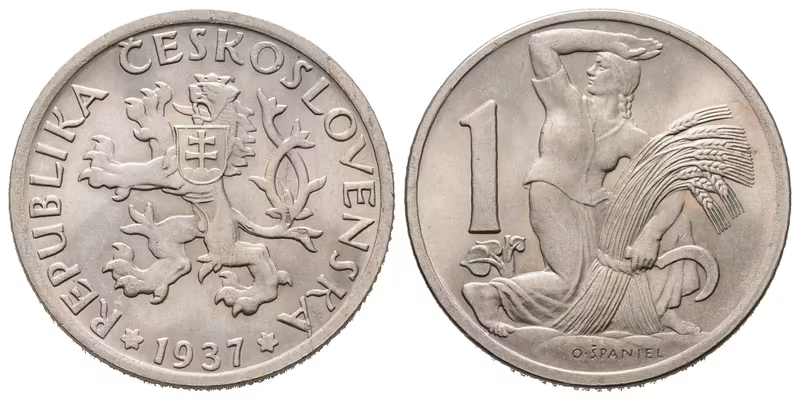
1 Koruna 1937
Československo (1918 - 1939) 1 Koruna 1937, Aurea 7, krásný stav, ilustrační foto Ilustrační foto – v případě oběžných mincí vydávaných ve vysokých nákladech nebo v případě investičních mincí a mincí ČNB nejsou fotografie autentické. Mincí máme skladem…
- Code: XB-ZN
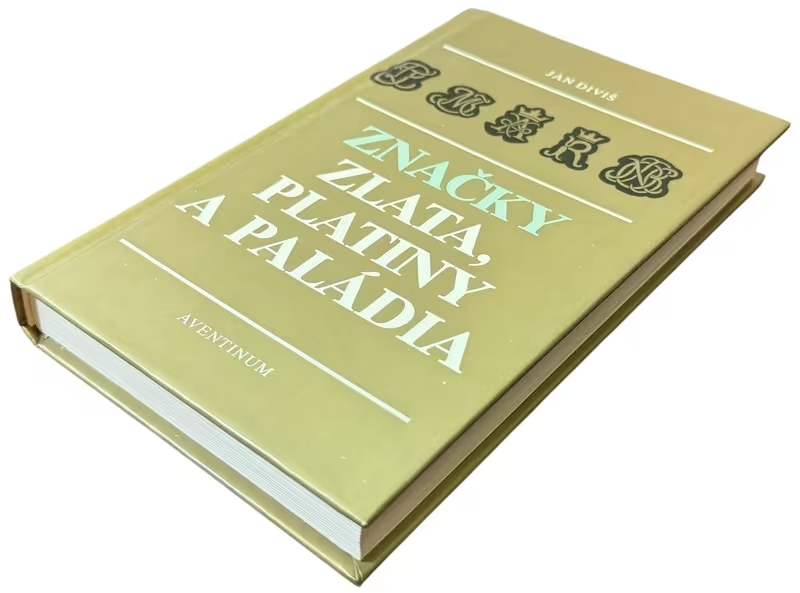
Značky zlata, platiny a paládia
Diviš, Jan Značky zlata, platiny a paládia Praha 1994, 247 stran a vyobrazení, vázané
- Code: RX-USA2014
USA - Flowing Hair Liberty Dollar 1794
Replika Flowing Hair Liberty Dollar 1794 88,7 mm (400g) mosaz pokovená platinou, Proof, certifikát, etue