Occasional strikings
Occasional strikings are commemorative coins issued to mark significant events, anniversaries or personalities, documenting important historical moments and serving as numismatic mementos for future generations. In numismatics, occasional strikings form a bridge between ordinary currency and collector issues, while historical coronation, wedding and jubil…
The tradition of occasional strikings reaches back to ancient Rome, where emperors issued commemorative coins for military victories, the opening of public buildings or significant anniversaries. Augustus struck sestertii for the secular games; Trajan celebrated the conquest of Dacia with special aurei depicting Dacian captives. These early occasional strikings served as a powerful propaganda tool, spreading news of the empire's achievements into the most distant provinces. The Byzantine Empire continued the tradition with solidi for imperial coronations and military triumphs.
Medieval and early-modern occasional strikings focused on dynastic events. Wedding thalers, coronation ducats and jubilee medals documented the legitimacy of royal houses. Occasional strikings of Czech kings, such as the coronation strikings of Charles IV or the Rudolfine thalers for the acquisition of the Hungarian crown, rank among the high points of European coin art. The Reformation brought religious occasional coins — Lutheran jubilee thalers marking the anniversaries of the Augsburg Confession or Catholic medals for canonisations.
History
The nineteenth century saw the democratisation of occasional strikings. Industrial exhibitions, the opening of railways, state jubilees and cultural anniversaries became subjects of commemorative coins accessible to a wider public. The Great Exhibition in London in 1851 initiated the tradition of exhibition medals, which became a collecting phenomenon. The First World War brought wartime occasional strikings — propaganda coins mobilising patriotism and ironic satirical medals commenting on the events of the war.
The modern era of occasional strikings began after the Second World War with commemorative issues for peace treaties and the founding of the UN. Sporting events, especially the Olympic Games from Helsinki 1952, created a new category of mass-produced occasional coins. Decimalisation of currencies, the introduction of the euro and millennium anniversaries generated waves of occasional issues. Contemporary occasional strikings make use of the most modern technologies — augmented reality, NFC chips and blockchain authentication — to create interactive numismatic experiences documenting the 21st century.
Typology and production
Occasional strikings are divided by type of event into dynastic (coronations, weddings, jubilees), historical (anniversaries of battles, revolutions, discoveries), cultural (births of personalities, literary anniversaries), sporting (Olympics, championships) and social (exhibitions, openings of buildings). Coronation occasional strikings represent the most prestigious category with the highest artistic and craft quality.
The production of occasional strikings demands a rapid response to current events. Modern mints maintain a team of designers capable of creating a design within days of an event. CAD/CAM technology allows the production of dies within weeks rather than months. Print runs range from hundreds of pieces for exclusive gold issues to millions for popular silver commemoratives. Proof quality with polished field and matt relief is the standard for occasional strikings.
In our auction and shop
- Code: ZD-2019VIT
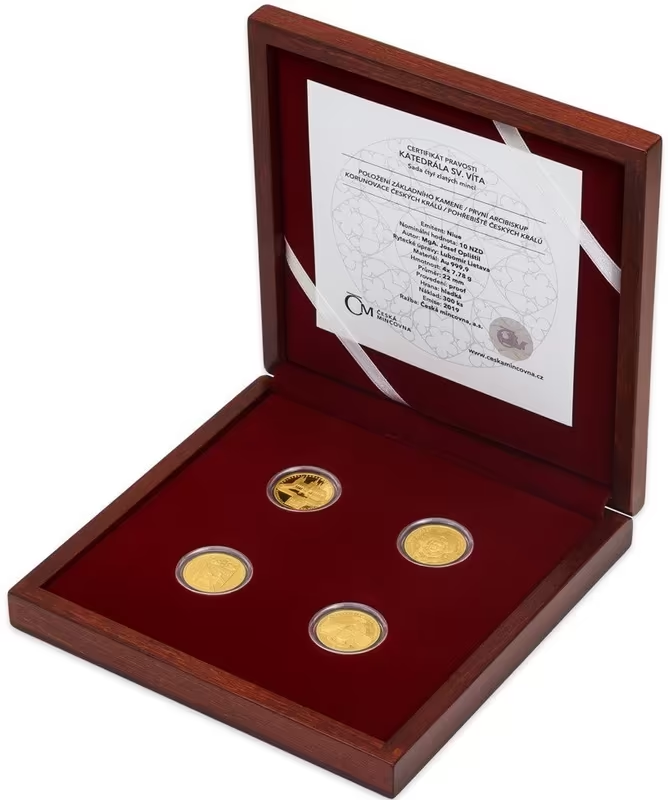
Sada mincí 2019 - Katedrála sv. Víta
Česká republika (1993 - ) Sada čtyř mincí 2019 (Josef Oplištil) - Katedrála sv. Víta 4x Au 0,9999, 22 mm (7,78 g), náklad 300 ks, certifikát, etue, papírový přebal, PROOF Bez ohledu na vyznání je katedrála svatého Víta duchovním symbolem, který je drahý…
Skladem 1 ks - Code: XB1300-0701
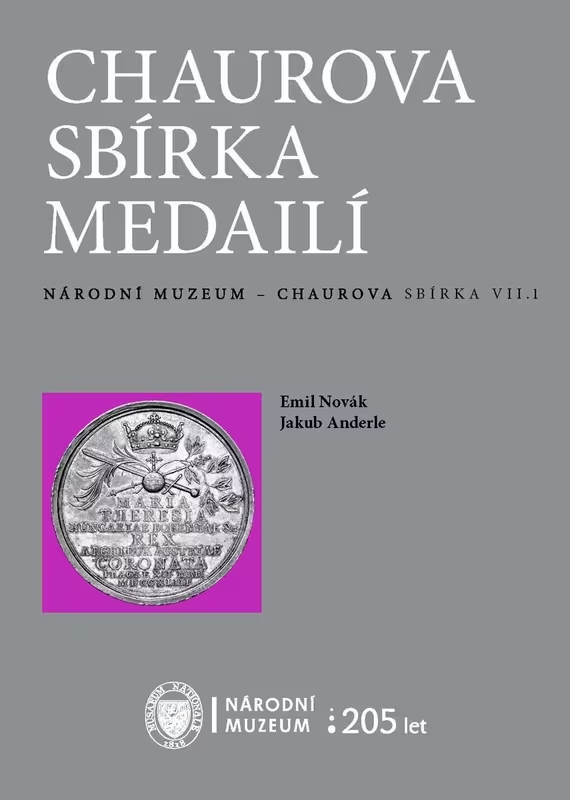
Chaurova sbírka medailí
Chaurova sbírka medailí Emil Novák, Jakub Anderle Kniha stručně přibližuje vývoj produkce medailí ve středoevropském prostoru. Popisuje část Chaurovy sbírky medailí. Katalog zahrnuje soupis 353 medailí uspořádaných chronologicky podle českých králů a…
- Code: XD2024-1
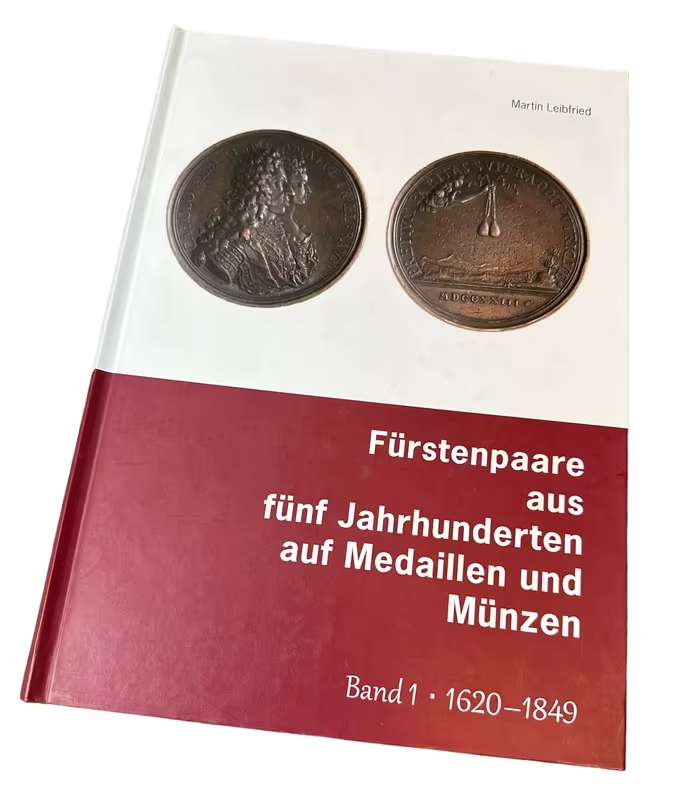
Fürstenpaare aus fünf Jahrhunderten auf Medaillen und Münzen, band 1, 1620 - 1849
Knížecí páry z pěti století na medailích a mincích: 1. díl - 1620 - 1849, Martin Leibfried Kniha v NJ. Vázané Medaile a mince zobrazují královské páry a nabízejí úžasný pohled do heraldiky a historie i dějin umění. V knize jsou zobrazeny stovky kusů…
Skladem 1 ks - Code: XD2024-2
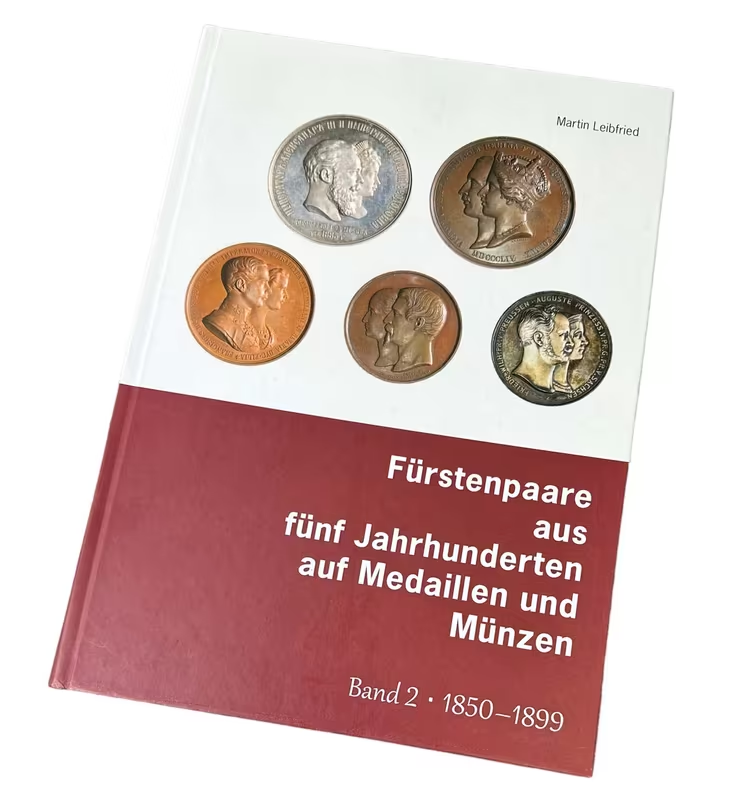
Fürstenpaare aus fünf Jahrhunderten auf Medaillen und Münzen, band 2, 1850 - 1899
Knížecí páry z pěti století na medailích a mincích: 2. díl - 1850 - 1899, Martin Leibfried Kniha v NJ. Vázané Medaile a mince zobrazují královské páry a nabízejí úžasný pohled do heraldiky a historie i dějin umění. V knize jsou zobrazeny stovky kusů…
Skladem 1 ks