Storing gold
Storing gold encompasses the ways of safely keeping investment gold (bars and coins) so as to minimise the risk of theft, damage or loss of provenance. A well-chosen procedure protects value, eases sale and leaves the owner with reasonably quick access.
In Europe, the storage of gold developed hand in hand with the changing role of gold in the economy. In antiquity and the Middle Ages, gold and silver objects often took the form of jewellery, ingots or coins and functioned as an easily portable reserve of wealth. The manner of safekeeping was largely private: hoards were hidden in homes, in sacral buildings, or entrusted to the custody of institutions that inspired trust. In times of instability, moreover, burying valuables in the ground became a common solution, as documented by numerous hoard finds.
With the development of towns, trade and written obligations, more professional safekeeping gradually came to the fore. In the early modern period, goldsmiths and money-changers, for example, played the role of "safe-deposit boxes", possessing vaults and at the same time keeping records of deposits. From this practice modern banking services later grew. At the moment when gold was increasingly detached from everyday circulation and shifted to the role of reserve, questions of trust, record-keeping and insurance gained in importance – that is, what we today understand as the infrastructure for the storage of precious metals.
In the 20th century, physical gold, alongside central banks and the state, also became a private investment asset. This changed the requirements for storage: an investor usually does not want merely to "have" gold but to be sure that it is of the correct purity, that its origin is traceable and that any transfer of ownership will be free of unnecessary disputes. Specialised depositories and vault companies therefore expanded, offering recorded custody and an auditable regime. In practice a strict distinction began to be made as to whether the metal is stored as specifically allocated pieces owned by the client (allocated storage) or whether it represents a claim against the provider within a common "pooled" stock (unallocated storage). This boundary is crucial especially in addressing counterparty risk.
History
The contemporary conception of gold storage thus rests on three pillars: physical security, legal provability of ownership and preservation of the metal's condition. Standards for the identification of bars (e.g. serial numbers and parameters), purchase documentation and clearly set conditions of access have come to the fore. From the standpoint of value, it is just as important that the gold is not damaged as it is that one can credibly demonstrate at any time exactly what the owner possesses and on what conditions it can be transferred or withdrawn.
The most common are three routes: home storage, a bank safety deposit box and a professional vault (depository). Home storage offers immediate access, but it requires a quality safe anchored to the structure, reasonable discretion and ideally additional household insurance (not every policy automatically covers precious metals). A bank box increases security and reduces the risk of theft from home; its drawbacks are limited accessibility and also that the contents of the box are not usually automatically insured by the bank – insurance is generally the owner's responsibility. A professional depository is typically the safest option, often with the possibility of allocated storage, regular audits and insurance included in the price, but it usually involves an ongoing fee.
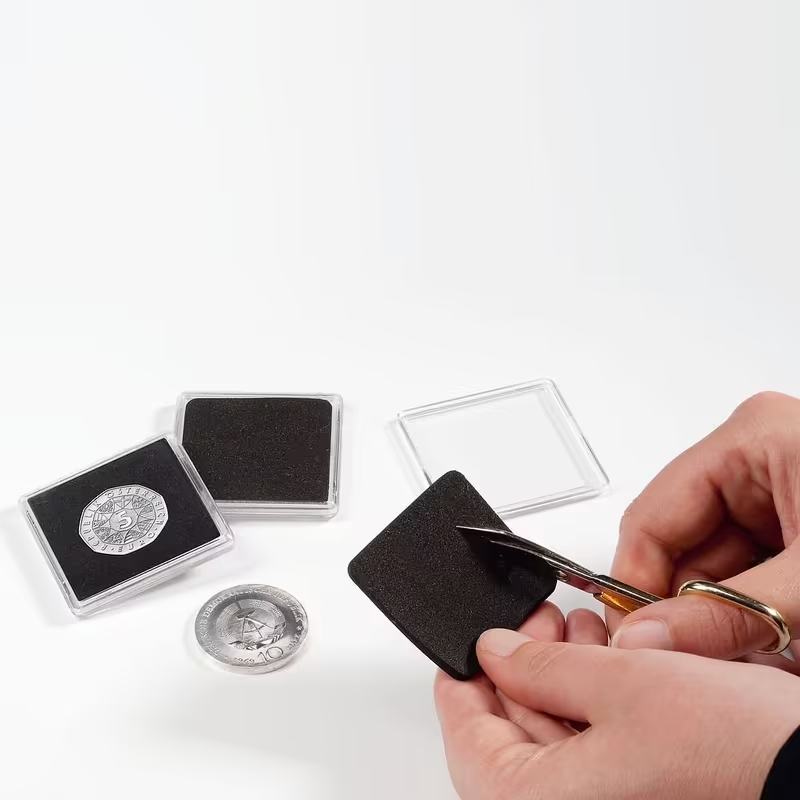
For preserving value, physical condition is fundamental. Investment coins should be kept in capsules or original packaging, and bars (especially small ones) ideally in the original blister with certification. Cotton gloves help during handling; scratches, dents and unprofessional cleaning can reduce liquidity or raise questions about authenticity. The storage environment should be dry and stable – although gold is chemically resistant, packaging and accompanying materials (paper, plastics, glues) can age and impair presentation when selling.
Storage options and practical principles
No less important is record-keeping: keep purchase documents, record parameters (weight, purity, possibly serial number), take photographs and have a considered way for the information to be accessible to an authorised person in case of an exceptional situation. Properly set up storage therefore does not address only "where to put it", but also how to preserve the gold so that it remains secure, undamaged and free of unnecessary obstacles to future use or sale.
In our auction and shop
- Code: YLEQ-368669
Univerzální pěnová vložka Quadrum - 1 kus - Leuchtturm
Lze volně kombinovat s kapslemi QUADRUM Vysoce kvalitní materiál EVA: Poskytuje excelentní absorpci nárazů a ochranu před poškozením, což zaručuje dlouhou životnost a spolehlivost. Modulární design: Snadno kombinovatelná a přizpůsobitelná – ideální pro…