Yen
The yen (円) is the official currency of Japan and one of the most significant world currencies in international trade and finance. It is used in cash and non-cash form, divided into 100 sen and 1,000 rin, although these fractional units are no longer in circulation today.
The yen arose as part of the modernisation of the Japanese state in the Meiji era, when the country rapidly adapted to the industrial world and built central institutions. Until the middle of the 19th century the Japanese monetary environment was complex: various kinds of coins existed alongside one another, with regional customs and exchange rates, and in circulation there mingled both domestic and foreign coinage. Such an environment complicated trade and the collection of taxes and did not correspond to the needs of the modern state.
A turning point came with the monetary reform at the beginning of the 1870s, which introduced a single currency and a modern system of denominations. The yen was conceived from the outset as a currency with decimal division, which made accounting easier and brought Japan closer to the international standards of the time. In its early days the Japanese currency oriented itself to metallic standards and in practice the issue was how to stably tie the value of the currency to silver or gold at a time when world monetary conditions were rapidly changing. Precisely the question of the standard was key, since it determined trust in the currency and its acceptability in foreign trade.
History
During the 20th century the yen transformed along with the Japanese economy. Wartime periods and post-war reconstruction brought pressure on price stability and on the form of circulating currency, while the post-war economic growth strengthened the role of Japan in the international system. Gradually the yen became a currency followed by investors and central banks, since Japan belongs among the largest economies in the world and its financial market has global significance.
The importance of the yen today does not rest only on domestic circulation, but also on its reputation as a "safe" currency in periods of uncertainty, when part of investors shift their resources into assets considered more stable. At the same time, the fact is manifested that the currency is part of broader economic policy: interest rates, inflation and market expectations influence its rate and behaviour in international transactions.
Banknotes, coins and practical use
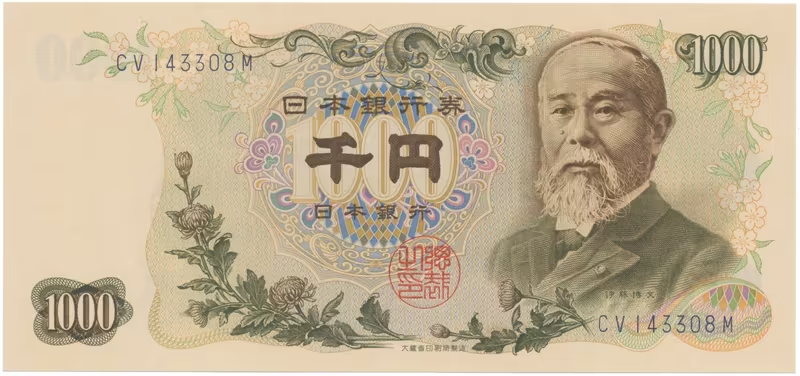
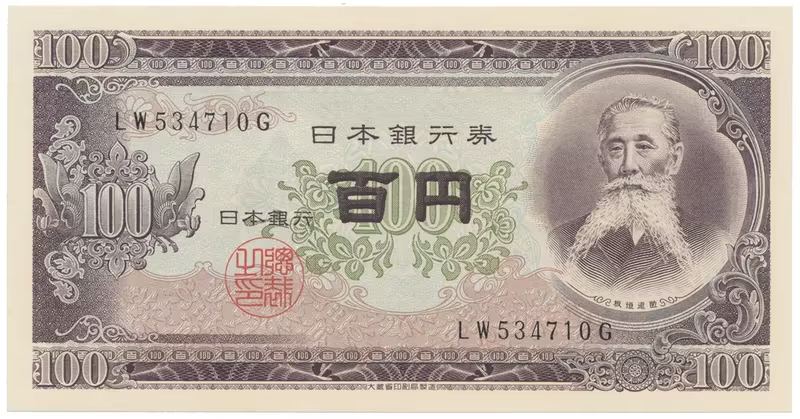
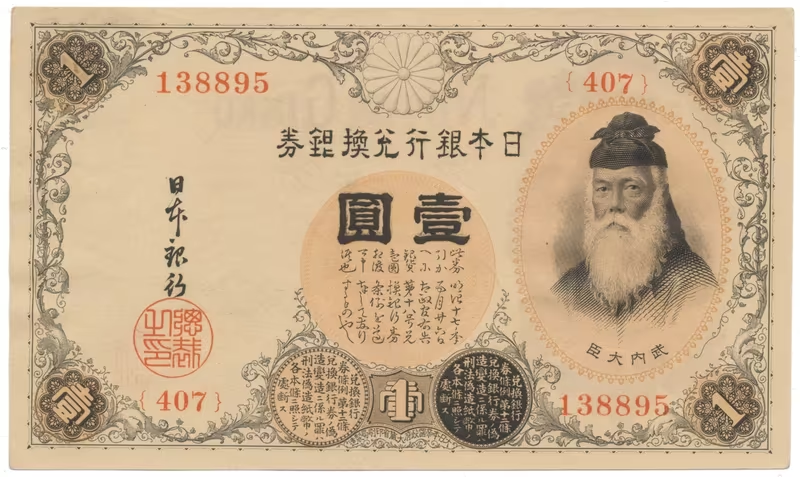
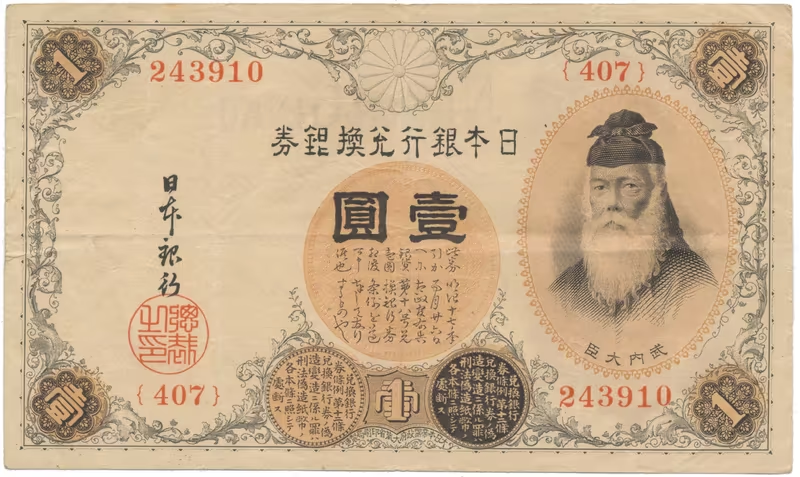
The yen is used in everyday life primarily in whole units, while the fractional units sen and rin have already been withdrawn from circulation and are no longer commonly encountered. In circulation various denominations of coins and banknotes are used, designed to be easily distinguishable (different diameters, edges, materials and motifs). Japanese coins often bear motifs of plants, cultural symbols and state elements, while banknotes traditionally work with portraits of important figures and with advanced security features against counterfeiting.
From a numismatic point of view the yen is attractive because Japanese coinage from the Meiji era to the present well reflects the modernisation of the state. On the coins one can trace changes in inscriptions, symbolism and the technological level of striking, including transitions between materials and surface treatments. For collectors both the early "modern" issues of the 19th century and commemorative coins issued for anniversaries, events and regional themes, which form coherent series, are of interest.