Alloying admixture (náčist)
The náčist is a deliberate admixture of cheaper metals to precious metals during coin mintage. This alloy reduced the content of pure metal in the coin and at the same time increased its mechanical durability.
The use of admixture in coin mintage goes back to antiquity, when the first mints discovered the advantages of alloying precious metals. In ancient Greece and Rome, copper was added to gold and silver coins as early as the 7th century BC. The Romans even developed an elaborate system of monitoring the content of precious metals in coins, which became a model for later European monetary systems.
In the Middle Ages the admixture became a common part of minting practice. Rulers issued mint ordinances which precisely determined the permitted amount of admixtures. These regulations, however, were often violated, particularly in times of war or economic crisis, when rulers reduced the content of precious metal in coins in order to obtain more resources for the state treasury. This process, known as debasement of the coinage, led to inflation and distrust in the currency.
In the Czech lands the admixture was used as early as the reign of the Přemyslid rulers. Under Wenceslas II a significant mint reform took place, which set the precise composition of the alloy for the Prague groschen. These coins contained a precisely defined proportion of silver and copper, which ensured their stable value and wide acceptance in international trade. Thanks to its quality and constant content of precious metal, the Prague groschen became one of the most important currencies of Central Europe.
History
In the modern period the control of admixture was tightened. From the 16th century specialised offices for monitoring the quality of coins emerged, which supervised compliance with mint ordinances. The introduction of precise scales and chemical methods of analysis made it possible to better control the composition of mint alloys. In the Habsburg Monarchy the system of monitoring admixture was elaborated down to the smallest detail and violations of mint regulations were severely punished.
The admixture fulfilled several important functions in mintage. Primarily it increased the hardness and durability of coins against ordinary wear. Pure gold and silver are relatively soft metals which are easily damaged in handling. The addition of copper or other harder metals significantly extended the lifetime of coins in circulation.
The standard composition of the admixture was chiefly copper, with silver also used to a lesser extent in gold coins or zinc in silver coins. The ratio of precious metal to admixture determined the fineness of the coin, which was expressed in loths or later in parts per thousand. For example, a coin of 900/1000 fineness contained 90% precious metal and 10% admixture.
Technical properties and significance
From the economic point of view the admixture allowed rulers to strike more coins from a given amount of precious metal. This practice, however, had to be carefully regulated so as not to lead to a decline in confidence in the currency. Mints had to comply precisely with the prescribed ratios and to undergo regular quality controls.
In our auction and shop
- Code: SNIZ95-E1970.5
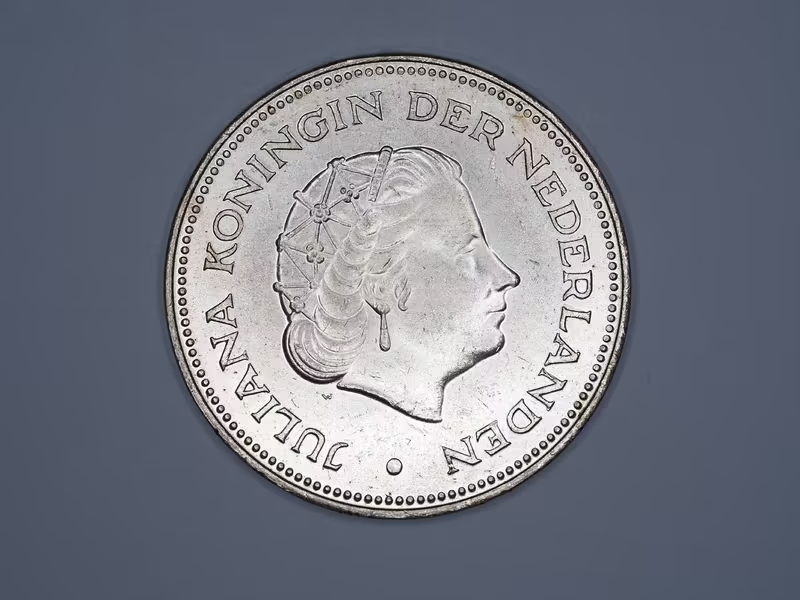
Nizozemí, 10 Gulden 1970 - Osvobození
Nizozemsko, Juliana (1948-1980) 10 Gulden 1970 - Osvobození, KM# 195 Ag (.720), 38 mm (25 g). Mincovna: Královská holandská mincovna - Utrecht. Hrana s nápisem "★ GOD ★ ZIJ ★ MET ★ ONS". Stříbrná pamětní oběžná mince - k 25. výročí osvobození Nizozemska…
Skladem 1 ks - Code: SNIZ95-E1970.6
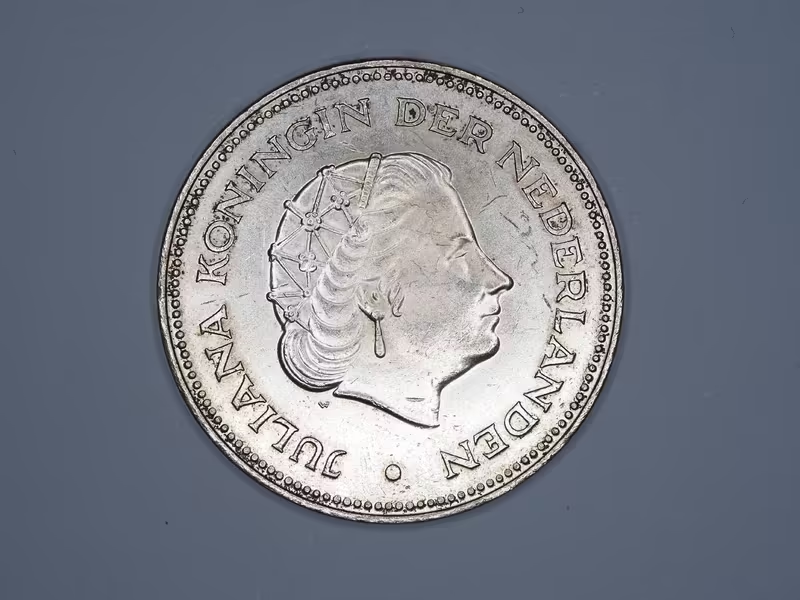
Nizozemí, 10 Gulden 1970 - Osvobození
Nizozemsko, Juliana (1948-1980) 10 Gulden 1970 - Osvobození, KM# 195 Ag (.720), 38 mm (25 g). Mincovna: Královská holandská mincovna - Utrecht. Hrana s nápisem "★ GOD ★ ZIJ ★ MET ★ ONS". Stříbrná pamětní oběžná mince - k 25. výročí osvobození Nizozemska…
Skladem 1 ks - Code: SNIZ95-E1970.4
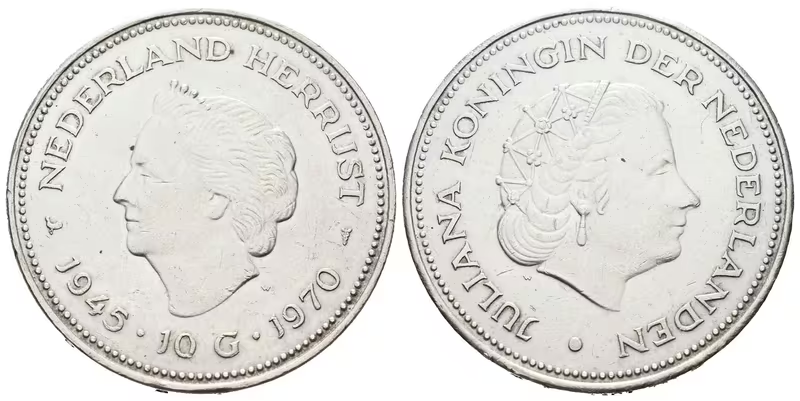
Nizozemí, 10 Gulden 1970 - Osvobození
Nizozemsko, Juliana (1948-1980) 10 Gulden 1970 - Osvobození, KM# 195 Ag (.720), 38 mm (25 g). Mincovna: Královská holandská mincovna - Utrecht. Hrana s nápisem "★ GOD ★ ZIJ ★ MET ★ ONS". Stříbrná pamětní oběžná mince - k 25. výročí osvobození Nizozemska…
Skladem 1 ks - Code: ZD-2020VAL
Sada mincí 2020 - Válečný rok 1940
Česká republika (1993 - ) Sada čtyř mincí 2020 (Lubomír Lietava) - Válečný rok 1940 4x Au 0,9999, 16 mm (3,11 g), náklad 300 ks, certifikát, plechová etue, PROOF Ucelená sada čtyř zlatých mincí České mincovny z volného cyklu Válečný rok připomíná 80.…