Sale of gold
The sale of gold is a process by which the owner of physical gold in the form of bullion bars, coins, jewellery or other items converts this asset into financial means. The resulting price is usually based on fineness, weight, condition and also on the current market price of gold and the terms of the buy-back.
Gold has been used for millennia as a store of value and a medium of exchange, and so its "sale" likewise has a long history. In antiquity and the Middle Ages, gold items and coins were often exchanged directly in trade or used to settle debts. In times when currency consisted predominantly of coins of precious metals, the sale of gold was not sharply separated from everyday payment: gold had value chiefly thanks to the metal, and its quality was verified by weighing, tests of fineness or the reputation of the mint.
With the development of banking and state monetary systems, however, gold gradually shifted from the role of ordinary circulation into the role of a reserve and investment asset. In the early modern period institutions arose that knew how to buy in, store and value gold more systematically — goldsmiths, bankers, later banks and specialised trading houses. A significant role was also played by monetary regimes, especially the gold standard, when the currency was firmly bound to gold and the state held gold reserves. Under such conditions gold had a clearly defined role in the economy, and trading in it was often under state oversight or bound up with regulation.
In the 20th century the gold market changed markedly. The gradual abandonment of the gold standard and the development of global financial markets led to gold being perceived more as a commodity and an investment instrument. More transparent benchmark prices emerged, investment products proliferated and with them the need for the fast and safe sale of physical gold. At the same time specialisation grew: a certified investment bar is priced differently from an investment coin with a clear standard, and differently again from jewellery, where design, brand and admixtures in the alloy may all play a role.
History
In modern times the sale of gold thus covers a wide range of situations — from the buy-back of jewellery in pawnshops and buy-back outlets, through the sale of bullion bars and coins to specialist dealers, to large-scale trading involving logistics, insurance and authentication. The common denominator remains the fact that gold is highly valuable, easily transferable, and that its price can change appreciably over time, which feeds into decisions about when and how to sell it.
In practice the sale of gold usually consists of several steps: identification of the item (bar, coin, jewel), verification of authenticity, determination of fineness and weighing. For investment bars and certain coins, origin and documentation play a major role — for example a certificate, serial number, original packaging or record of purchase. For jewellery and scrap gold, fineness is often determined from the hallmark and, where uncertain, by testing; the resulting price then derives from the content of pure gold, that is, from the weight converted to fineness.
It is crucial to distinguish investment gold from "jewellery" gold. Bullion bars and ordinary investment coins are normally sold with regard to the current market price of gold and the trading margin of the buyer. Jewellery is often bought back rather as material, because its workmanship and design may not be reflected in full in the buy-back. For collector and historical gold coins, in addition, a numismatic value over and above the metal may apply, so that rarity, preservation, year of issue or demand on the market can significantly influence the price.
How the sale of gold proceeds and what influences the price
The final amount is also influenced by practical conditions: form of payment, speed of the transaction, requirements for identification of the seller and also whether it is a one-off sale or repeated trading in larger volume. In more valuable transactions, secure transport and insurance are frequently addressed. It is also worth bearing in mind that there is usually a difference between the buying and selling price — the seller therefore usually receives a price lower than the dealer's selling price, which is a normal part of how the market works.
In our auction and shop
- Code: MSKS2020-20
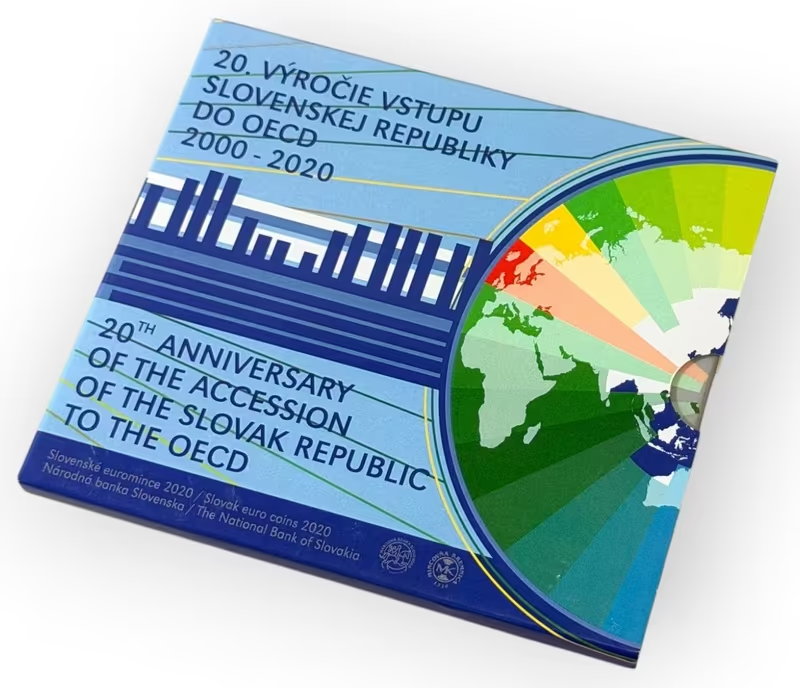
Ročníková sada mincí 2000 - 2020 - 20.výročí vstupu SR do OECD
Slovenská republika, 2000 - 2020 Oběhové mince Slovenska - "20.výročí vstupu SR do OECD" ilustrační foto, komisní prodej - obaly mohou být opotřebené
Skladem 1 ks - Code: MCZS2025-PROOF
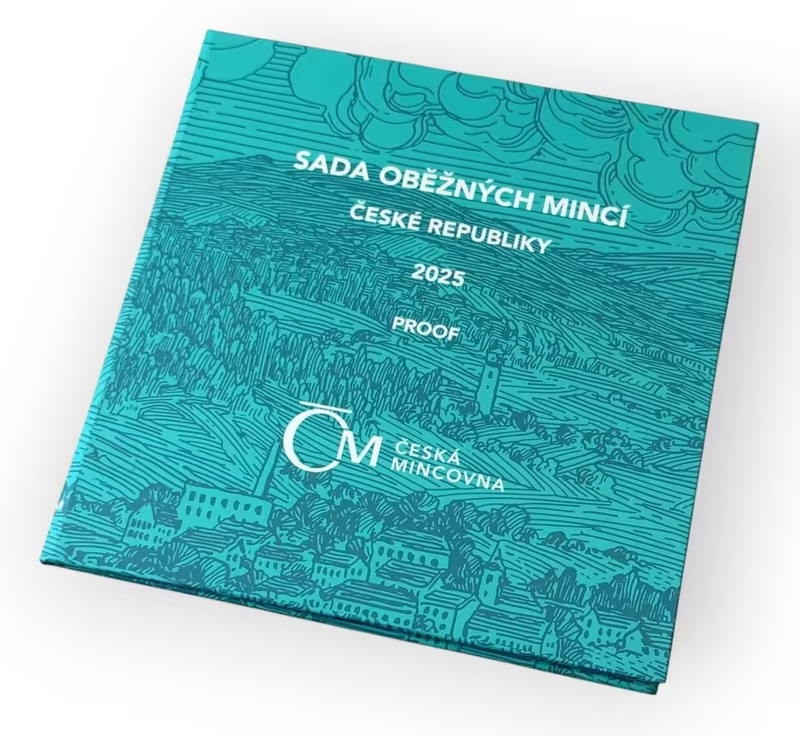
Ročníková sada mincí 2025 - PROOF
Česká republika, 2025 Ročníková sada mincí 2025, Proof ilustrační foto, komisní prodej - obaly mohou být opotřebené
Skladem 1 ks - Code: MCZS2011-ND
Ročníková sada mincí Narození dítěte 2011
Narození dítěte 2011 Ročníková sada mincí Narození dítěte 2011- Česká Republika ilustrační foto, komisní prodej - obaly mohou být opotřebené
Skladem 1 ks - Code: MSKS2011-HOKEJ
Ročníková sada mincí 2011 - SR - MS
Slovenská republika, 2011 Ročníková sada mincí 2011 - Mistrovství světa v ledním hokeji ilustrační foto, komisní prodej - obaly mohou být opotřebené
Skladem 1 ks